


Key Takeaways
- Your brain was never designed to handle the constant, unrelenting stimulation that modern life demands.
- Multitasking does not make you more productive — it floods your brain with cortisol and degrades performance over time.
- Cognitive overload has early warning signs: forgetfulness, irritability, poor sleep, and difficulty prioritizing tasks.
- Dual task brain training is fundamentally different from multitasking — it is intentional, guided, and builds cognitive resilience.
- Getting a cognitive baseline assessment is one of the most important things you can do for long-term brain health.
The Modern Brain Is Under Siege
Imagine you are on a conference call with 20 people. Someone on the call is driving and distracted. In a moment of surprise, they say something they should not. Their microphone is not on mute. Everyone hears it.
That story is funny. But what it illustrates is not. That driver’s brain was simply overloaded.
Modern life pushes our brains to the limit every single day. Text messages, emails, calendar alerts, and back-to-back meetings compete for attention simultaneously. Our brains were never built to operate at this pace. When they are pushed too far, too often, the warning signs begin to appear.
Cogni-Thrive founder and certified cognitive coach Judy Pritchard has spent more than 30 years studying this problem. She works with individuals, caregivers, and skilled nursing facilities across Alabama to address cognitive health head-on.
Her message is clear. Cognitive overload is real, common, and something you can do something about.
How Many Decisions Does Your Brain Make in a Day
Research suggests that leaders and business professionals make thousands of decisions in a single day. Some studies put that number as high as 10,000.
Those decisions are not all complex. Some are as simple as choosing what to have for lunch. But many are layered with strategy, competing priorities, and interpersonal demands.
Now add the interruptions. A colleague walks in while you are drafting an email. A notification buzzes on your phone. A text message comes in during a call. Your brain has to stop, shift focus, and then try to recover its original train of thought.
That process of shifting and recovering is not free. It costs your brain energy. Do it thousands of times a day and the cost adds up quickly.
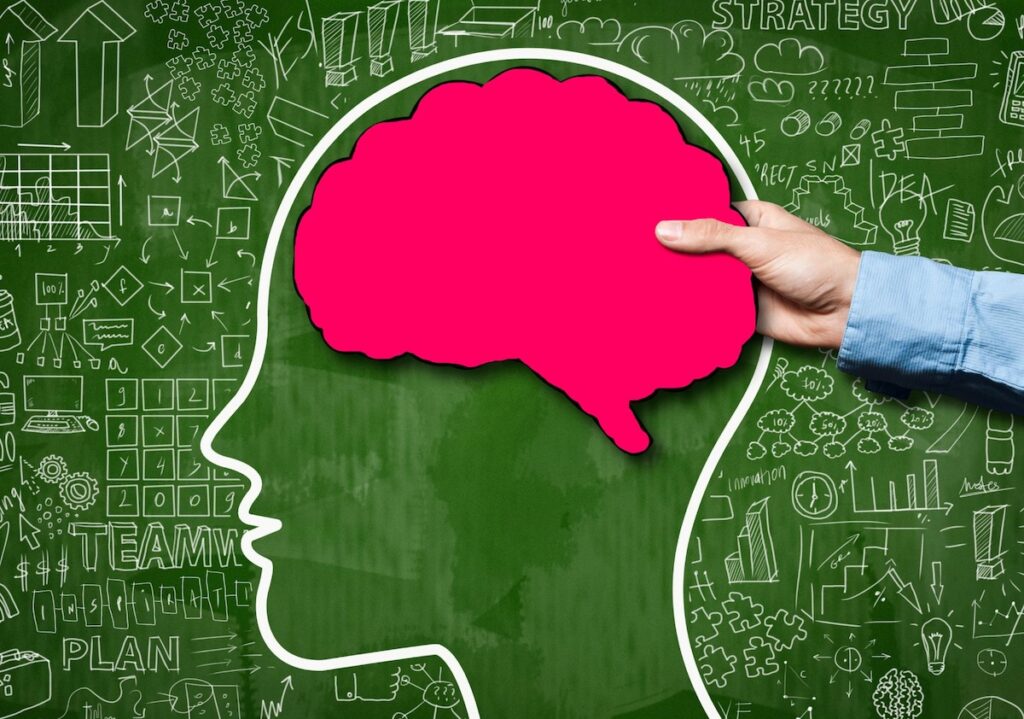
Cognitive overload is not just being tired. It is what happens when your brain has been asked to do too much for too long without adequate recovery.
The Myth of the Great Multitasker
Our culture has long celebrated multitasking as a professional virtue. We wear it as a badge of honor. The ability to juggle multiple priorities at once has been seen as a hallmark of strong leadership.
But science tells a different story.
When you multitask, your brain does not actually process multiple things at once. Instead, it rapidly switches focus back and forth between tasks. The switching is so fast it feels simultaneous. But it is not.
Think of it like a ping-pong ball bouncing unpredictably across a chaotic table. Your brain is chasing that ball constantly. There is no rest between points.
That constant switching triggers the release of cortisol, your body’s primary stress hormone. In small doses, cortisol is helpful. It sharpens focus and drives quick decision-making. But when your brain stays in high-alert mode for hours at a time, cortisol builds up.
It begins to clog neural connections. It interferes with clear thinking. Over time, it leads to the very problems multitasking was supposed to prevent: errors, forgetfulness, and poor performance.
The irony is striking. The habit that looks like peak productivity is quietly degrading your cognitive capacity.
Warning Signs That Your Brain Is Overloaded
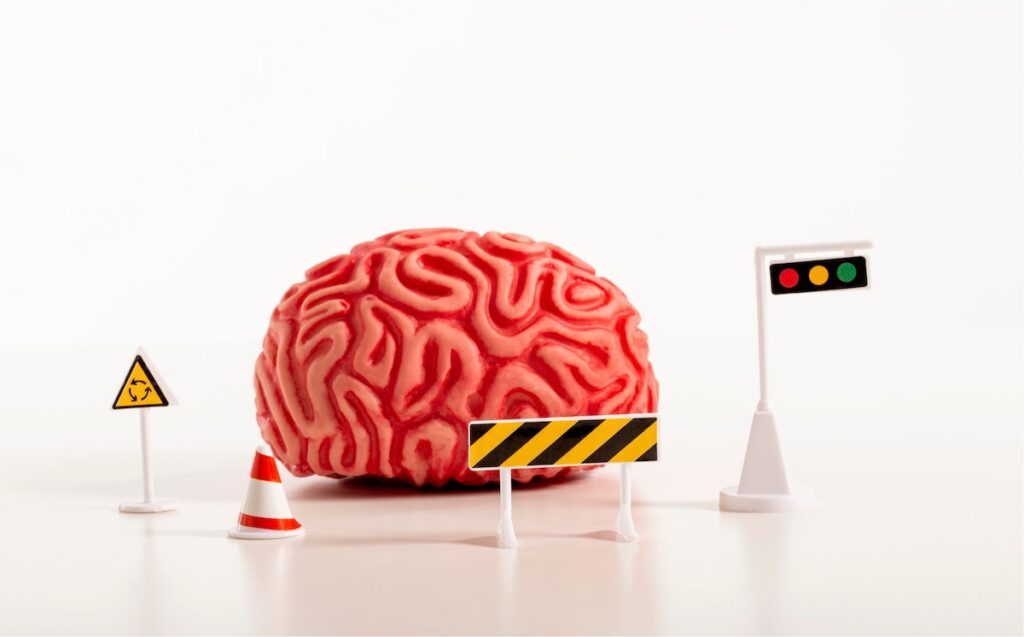
Cognitive overload rarely announces itself with a dramatic event. More often, it creeps in through small, easy-to-dismiss changes. Knowing the signs helps you catch the problem early.
Watch for these indicators:
- Increased irritability or emotional reactivity, especially in situations that would not normally bother you
- Forgetting things you just had in your hand or in your thoughts moments before
- Difficulty sleeping, even when you are physically exhausted
- Trouble prioritizing tasks or deciding what to tackle first
- Sending the wrong email to the wrong person, or forgetting to hit mute on a conference call
It is important to understand what these signs do not mean. They do not mean you are developing dementia. These signs do not mean your career is in jeopardy. They are signals. Your brain is telling you that it needs more support than it is currently getting.
High performers often misread exhaustion as evidence of success. The harder they push, the more they convince themselves they must be doing something right. That logic is dangerous when applied to brain health.
What Cortisol and Sleep Have to Do With It
Your brain does its most important maintenance work while you sleep. During sleep, it clears out metabolic waste, processes experiences, and consolidates memory.
When you are chronically stressed, cortisol disrupts your sleep. And when your sleep is disrupted, your brain cannot complete its cleanup cycle. The toxins and excess stress hormones that were supposed to be cleared out stay put.
The result is a brain that is trying to perform at a high level while carrying the residue of accumulated stress. Performance suffers. Mood suffers. Memory suffers.
This is not a willpower problem. It is a biology problem. And it has a solution.
Multitasking Drains the Brain. Dual Task Training Builds It.
Here is a distinction that matters deeply: multitasking and dual-task brain training are not the same thing. They look similar on the surface. Both involve doing more than one thing at a time. But they work on your brain in completely opposite ways.
Multitasking is reactive, chaotic, and uncontrolled. It is driven by external demands and interruptions. It is stressful by nature.
Dual task training is intentional, structured, and purposeful. It is something you do on purpose, usually with the guidance of a trained coach. It is designed to strengthen specific cognitive functions, particularly executive function.
A simple example of dual task training is walking while maintaining a focused conversation on a specific topic. A more advanced version might involve performing a physical movement in response to precise verbal cues that adjust the exercise in real time.
The key difference is intention. When a cognitive coach guides you through a dual-task exercise, every element is planned. The distractions are removed. The challenge is calibrated to your current level. You always know where you are going.
When done consistently, dual-task training builds what Judy Pritchard calls cognitive resilience — the brain’s ability to handle challenges and recover from stress more efficiently.
Multitasking drains the brain. Dual task training trains it.
Practical Steps to Reduce Cognitive Overload
You do not have to overhaul your life overnight to start protecting your brain. Small, intentional changes create real results. Here are the most effective places to start.
Put your phone away. Notifications are a form of interruption, even when you do not act on them. Even a buzzing phone or a flickering screen pulls at your attention. Eliminate that pull whenever possible during focused work.
Build in true recovery time. Recovery does not mean switching from one screen to another. It means giving your brain a break from stimulation. Try driving home in silence instead of filling the time with podcasts or calls. Give your mind a chance to download the day.
Move your body. Physical movement supports brain function in measurable ways. Getting up and walking around, even briefly, during the day reduces cognitive fatigue. Set an alarm if you need the reminder.
Protect your sleep. Go to bed without screens when possible. Give your brain time to wind down before sleep so it can complete its restorative work during the night.
Do intentional brain exercises. Work with a cognitive coach to incorporate structured dual-task training into your routine. This is not passive screen time. It is active, guided work that builds real capacity over time.
Know Your Cognitive Baseline
One of the most powerful things you can do for your long-term brain health is to establish a cognitive baseline now.
We monitor blood pressure, cholesterol, and blood sugar regularly. We track these numbers over time because early changes signal that something needs attention before it becomes a crisis.
The brain deserves the same approach. A cognitive baseline assessment measures where your brain is performing today relative to others your age. It gives you a starting point. It lets you track changes over time and catch subtle shifts before they become significant.
Cogni-Thrive offers a free cognitive baseline assessment. It is the single most important first step you can take toward protecting your brain health. And it removes the fear of not knowing where you stand.
The brain never stops learning. It never stops being capable of change. The goal is to give it the right conditions to keep growing stronger.

Dementia Is Not Definite — But Action Is Required
Fear of cognitive decline is understandable. Dementia carries a stigma that makes people avoid the subject entirely. Many believe that decline is inevitable and that nothing can be done to prevent it.
That belief is outdated. Research now shows that nearly half of all dementia cases may be preventable or significantly delayed through lifestyle intervention. The February 2026 NIH ACTIVE Trial results showed a 25% reduction in dementia risk through targeted cognitive training.
That is not a small number. That is a transformative finding.
Cogni-Thrive was built around this truth. Dementia is not definite. With the right tools, support, and timing, you can change your brain’s trajectory.
But the time to act is not after a diagnosis. The time to act is now — while your brain is still sending early signals and while the window for meaningful change is wide open.
If you are overloading your brain today, recognize it for what it is: a message. Your brain is asking for your attention. Give it that attention, and it will reward you for the rest of your life.
Frequently Asked Questions
Cognitive overload occurs when the brain is asked to process more information and tasks than it can effectively manage over an extended period. Unlike short-term stress, which can be energizing, cognitive overload is persistent and cumulative. It leads to measurable changes in focus, memory, sleep quality, and emotional regulation.
Common early signs include increased irritability, forgetting things immediately after encountering them, difficulty sleeping despite exhaustion, trouble prioritizing tasks, and making careless mistakes, such as sending emails to the wrong person. These symptoms are not signs of disease — they are signals that your brain needs support.
Multitasking is reactive and uncontrolled — it happens in response to external demands and is driven by chaos rather than intention. Dual task brain training is purposeful and coach-guided. It involves performing two specific tasks simultaneously in a structured environment designed to strengthen executive function and build cognitive resilience. One drains the brain; the other trains it.
Chronic cognitive overload, particularly when paired with poor sleep, elevated cortisol, and lack of brain recovery, can contribute to long-term cognitive decline. However, experiencing cognitive overload does not mean you will develop dementia. It does mean your brain is telling you to pay attention. Early intervention through cognitive coaching and lifestyle changes can significantly reduce your risk.
A cognitive baseline assessment measures how your brain is currently performing relative to others your age. It establishes a benchmark so that any future changes — positive or negative — can be tracked accurately.