
What Is Amyloid Plaque?
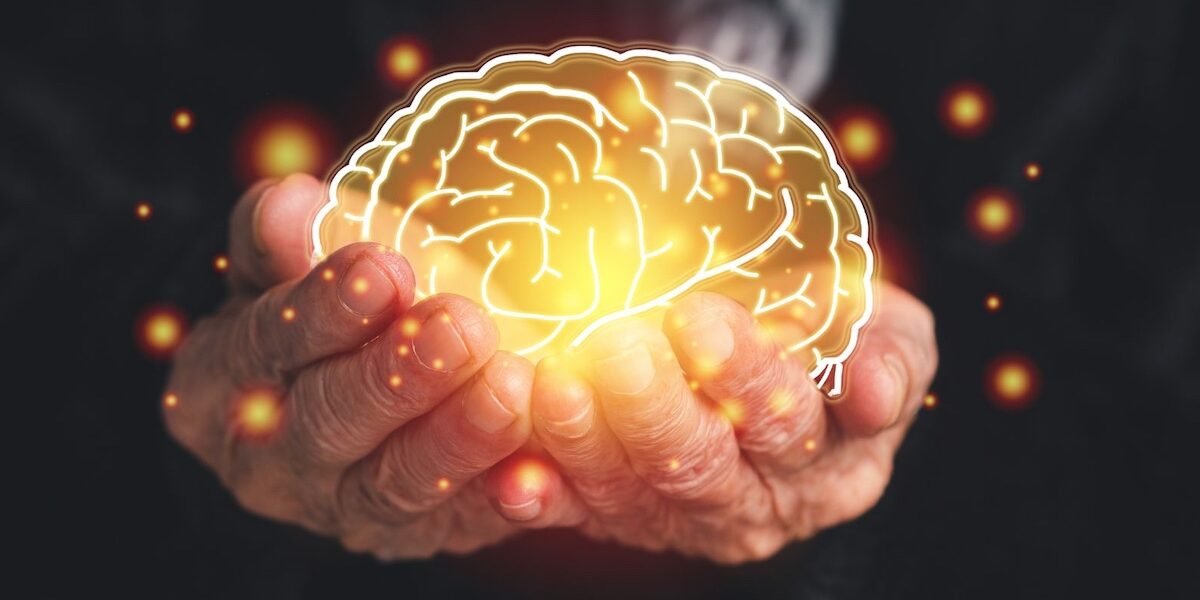
When we think about brain health, most people imagine memory exercises or a healthy diet—but few have heard of a key factor called amyloid plaque. Amyloid plaque refers to the buildup of proteins in the brain, specifically the amyloid beta protein. These proteins are naturally produced, but when they accumulate faster than the brain can clear them, they can interfere with neuronal communication. Over time, this buildup can affect memory, thinking, and other cognitive functions.
This process can begin long before any symptoms of cognitive decline appear. That’s why understanding what amyloid plaque is—and how to prevent it from becoming a problem—is so important to long-term brain health.
How Amyloid Plaque Develops
Our brains are made up of billions of neurons that send signals to one another, forming the basis of our memories and behaviors. When something interferes with those signals—like amyloid plaque—it’s similar to static on a radio. You can still hear the music, but it’s distorted.
Amyloid buildup can be triggered by several factors, including diet, stress, head injuries, poor sleep, and even genetics. While these proteins naturally occur in all of us, a healthy brain typically flushes them out efficiently. Problems arise when that balance is lost and the brain’s ability to “clean house” diminishes.
The Importance of Being Proactive
Cognitive decline doesn’t happen overnight, and prevention should begin long before symptoms appear. Being proactive is key. The same habits that support physical health—like staying active, getting enough sleep, and managing stress—also play a crucial role in protecting the brain.
Research shows that lifestyle changes can help maintain cognitive resilience. Activities such as social engagement, balanced nutrition, and regular exercise all support the body’s natural ability to manage and remove amyloid buildup.
Exercising Your Brain Like a Muscle
Just as physical exercise strengthens your body, mental exercise strengthens your brain. But not all “brain games” are created equal. To build new neurons and connections, you need to challenge yourself to learn something new.
Doing the same crossword every day won’t stimulate new growth—it’s like lifting the same lightweight dumbbell over and over. The brain grows stronger through novelty and effort. That could mean learning a new language, playing a new instrument, or trying a complex puzzle or game that makes you think differently.
Even better, combine mental and physical activity. Dancing, for instance, engages coordination, memory, and movement simultaneously. The more senses and skills you involve, the more areas of your brain are activated.

Movement and Cognitive Connection
Simple physical activities can have surprising cognitive benefits. Playing games like cornhole or basketball requires you to judge distances, adjust your movements, and keep score—all of which engage memory, visual processing, and mental flexibility.
Even walking can be turned into a brain-boosting exercise. Try walking backward for short intervals, counting trees as you go, or listening to an educational podcast while you walk. The goal is to mix things up and challenge your brain to adapt to new experiences.
The Role of a Cognitive Coach
While many brain-training activities can be done on your own, working with a certified cognitive coach can help tailor exercises to your unique needs. A cognitive coach can assess your current abilities, set a baseline, and create a personalized plan to strengthen areas of concern.
Coaches like Judy Prichard of Cognitive Thrive specialize in helping people build cognitive resilience through structured, enjoyable activities. Their goal is not just to prevent decline but to make brain health part of your everyday lifestyle.

Start Where You Are
The good news is that it’s never too late—or too early—to start taking care of your brain. Whether it’s learning a new skill, changing up your daily routine, or consulting with a cognitive coach, every small change adds up.
As Judy often says, “You can do hard things.” Most of the time, what holds us back isn’t ability—it’s just not knowing where to start. Begin by moving your body, challenging your mind, and making small, sustainable shifts. Your brain will thank you for it.
Contact us to learn more about cognitive assessments, personalized programs, and speaking engagements designed to help you maintain lifelong brain health.