


Why Water Matters for Cognitive Function
Water is essential for life, and it plays a critical role in brain health. While the body is made up of about 60% water, the brain is nearly 75% water. Even a small drop—just one to two percent—in hydration levels can cause noticeable effects such as brain fog, fatigue, or difficulty concentrating. Over time, prolonged dehydration can contribute to more serious cognitive decline and even increase the risk of dementia.
A Real-Life Example of Hydration and Dementia
One of the earliest clients at Cognitive Thrive enjoyed golfing in the Alabama heat, even after being diagnosed with early-onset dementia. After a long day of playing 18 holes without enough water, he recognized he was experiencing intense brain fog and chose not to drive home. His awareness was a win, showing the importance of self-monitoring. Later discussions revealed that dehydration had played a direct role in his mental fatigue. This example illustrates how subtle changes in hydration can have a profound impact on brain function.
How Dehydration Affects the Brain
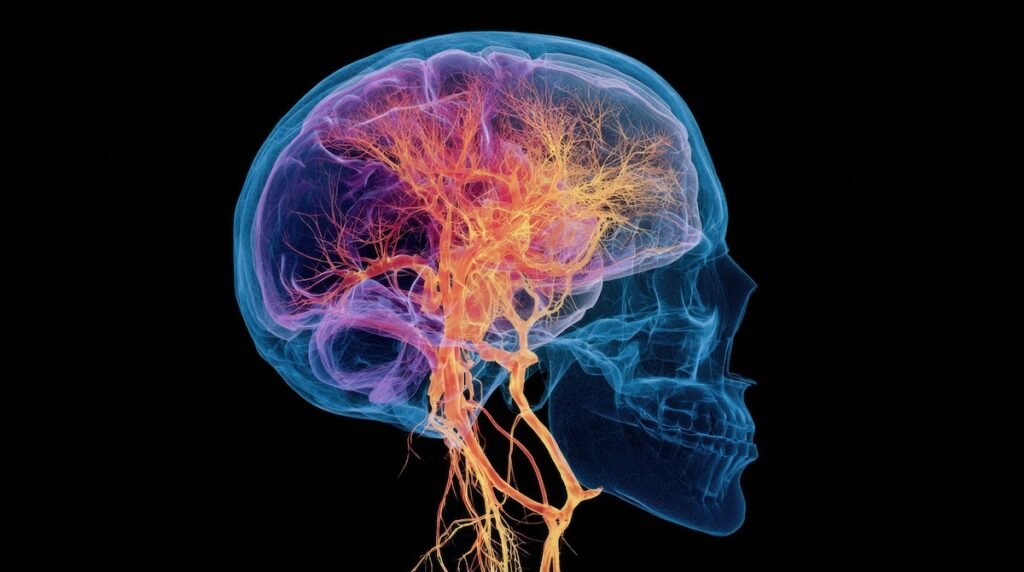
The thalamus, a vital part of the brain, is especially sensitive to hydration levels. It helps regulate sensory input, motor function, memory processing, and even wakefulness. When hydration drops slightly, the thalamus is disrupted, leading to tiredness and reduced mental clarity. Many people respond with coffee or other caffeinated drinks, but caffeine is a diuretic. This means it can worsen dehydration instead of fixing it. Choosing water first is a smarter way to re-energize the brain.
The Link Between Dehydration, Mood, and Vision
Dehydration doesn’t just cause brain fog; it can also affect mood and visual processing. Even mild dehydration may lead to irritability, making you or your loved ones feel more short-tempered than usual. In older adults, dehydration can distort depth perception and vision, increasing the risk of falls—especially in the late afternoon or evening when sundowning symptoms are more likely to appear.
The Science of Brain Cells and Toxins
When the body lacks water, brain cells shrink. This reduces their ability to flush toxins effectively. Without proper cleansing, these toxins can build up, leading to plaque formation in the brain—a process linked to dementia. Staying hydrated supports healthy brain cell function and reduces the risks associated with toxin accumulation.

Why Older Adults Are More Vulnerable
Younger adults have more muscle mass, which allows the body to store additional water. As people age and lose muscle, their ability to retain water decreases, making them more prone to dehydration. Seniors may need to drink smaller amounts of water more frequently throughout the day to maintain hydration. Without this, dehydration can worsen confusion, wandering, and other symptoms of cognitive decline.

Practical Tips for Staying Hydrated
To prevent dehydration-related brain fog, consider setting reminders on a smartwatch, using sticky notes, or keeping a water bottle nearby. If you work outdoors or in the heat, electrolyte drinks may help, but water should remain your primary source of hydration. Not all sports drinks are necessary—especially if you are not sweating heavily—so read labels carefully. As a general rule, when in doubt, choose water.
Supporting Long-Term Brain Resilience
Hydration is one of the simplest and most effective ways to support brain health at any age. By choosing water over caffeine, maintaining consistent hydration throughout the day, and encouraging older loved ones to drink regularly, you can help protect cognitive function. Since we only get one brain, it’s vital to give it the daily care it deserves.
For more information about cognitive health and brain resilience, contact us.